Soft washing is a controlled process, not a universal answer
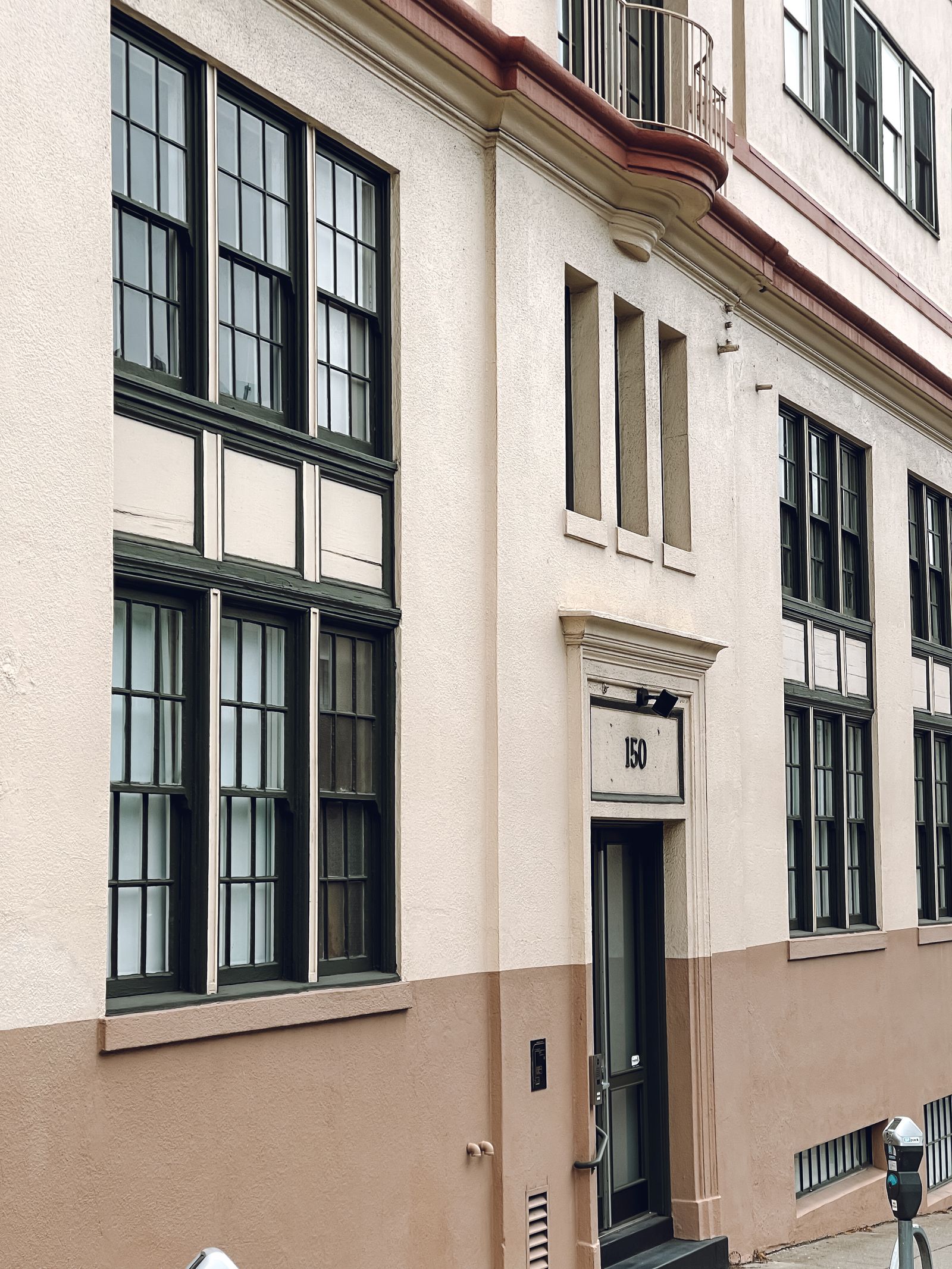
Commercial soft washing generally uses compatible cleaning chemistry, controlled dwell time, and a lower-pressure rinse to loosen and remove suitable organic growth, pollen, bird residue, atmospheric film, and ordinary exterior soil. The low-pressure label does not make the process automatically harmless. Chemistry can affect vegetation, metals, coatings, sealants, glass, painted surfaces, and nearby water. Dwell time, concentration, temperature, sun, wind, and rinse volume change the result. A Reading quote should identify the material, test area, protection, rinse, water path, and expected finish for each elevation.
Soft washing may fit broad compatible wall areas where the owner wants a more even maintenance appearance without aggressive mechanical force. It is not a substitute for bonded mineral deposits, oxidation, rust, construction residue, graffiti, failed coatings, or recurring moisture that requires another treatment or repair. It also does not diagnose a leaking roof edge, open joint, cracked facade, or failed drainage detail. If a stain returns below a downspout, parapet, or canopy, the source may need correction before repeated cleaning can provide durable improvement.
- Potential fit: compatible organic growth, pollen, bird residue, and ordinary atmospheric soil.
- Confirm chemistry and dwell against brick, stone, concrete, glass, coatings, metal, EIFS, and landscaping.
- Separate cleaning from repair, restoration, glass detailing, and envelope investigation.
- Use a test area when the substrate, coating, stain, or expected finish is uncertain.
Controlled pressure can serve durable zones when it is truly controlled
At Reading properties, controlled pressure can suit selected concrete walks, loading areas, parking structures, durable hardscape, or service yards after the surface is evaluated. Pressure, nozzle, distance, flow, and technique still need to match the substrate. A lower-pressure rinse may be part of soft washing; the decision is whether the chosen force and method fit the material and the appearance the owner expects.
High pressure can damage weak mortar, historic brick, sandstone, limestone, stucco, EIFS, painted surfaces, aged coatings, wood, sealants, and fragile trim. It can drive water into joints, lift coatings, etch concrete, create visible wand marks, or spread contamination. A property manager should be cautious when a quote offers one pressure number for an entire Reading building. The broad concrete service yard, brick facade, canopy, storefront glass, stone entrance, and painted metal panel may need different methods and finish standards.
Pressure can also create a public and drainage issue. A nozzle can move grit toward pedestrians on Penn Street, vehicles, doors, air intakes, landscaping, or catch basins. On a sloped lot or ramp, water and dislodged soil may travel farther than expected. A responsible method plan sets controls, protects sensitive features, manages the water path, and leaves the site usable. It should explain where force is suitable, where it is reduced, and where soft washing or contact work is better.
Let Reading's materials and neighborhoods shape the method
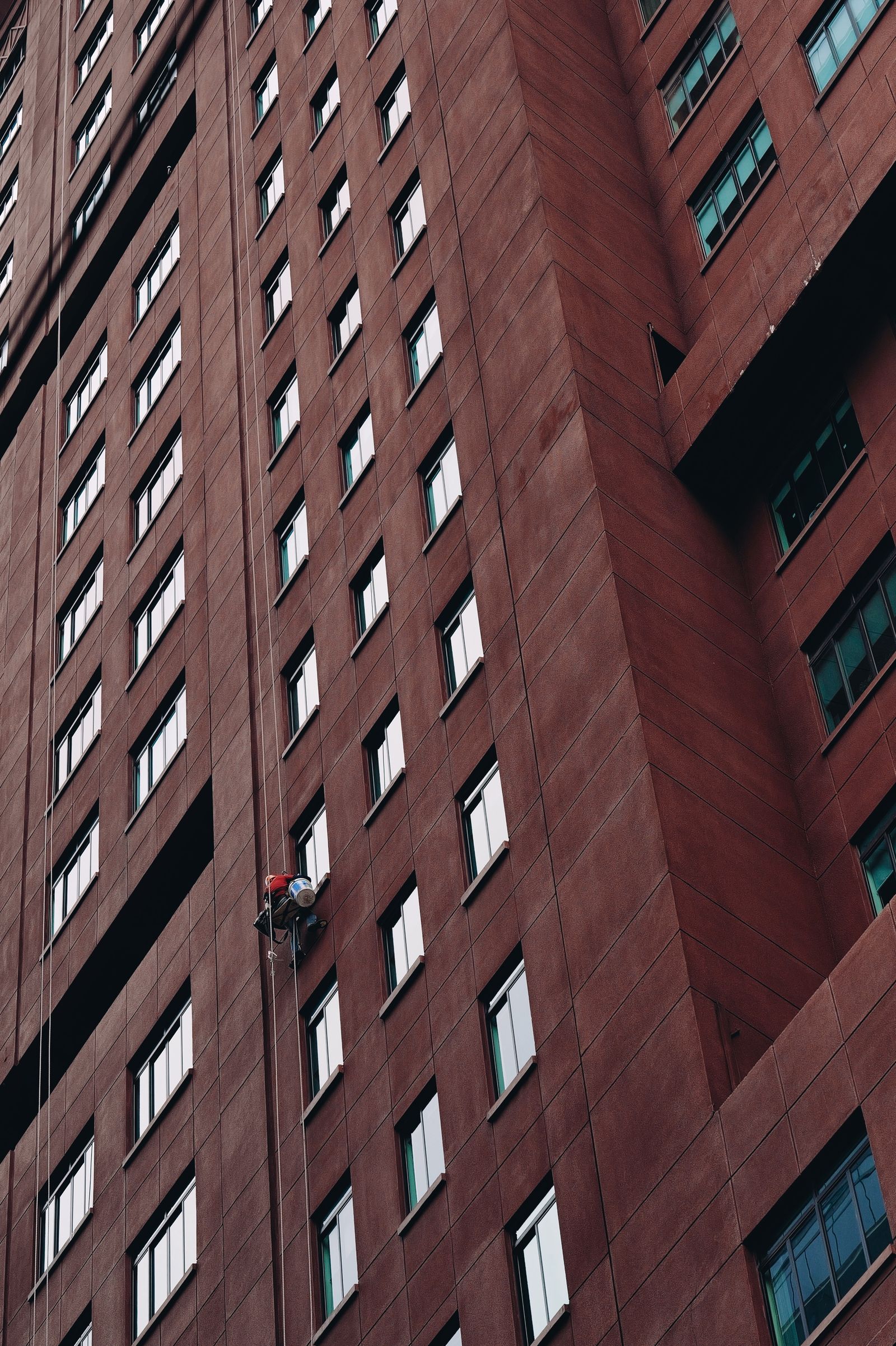
A downtown Reading facade may need gentle treatment around older mortar, decorative masonry, storefront glass, signs, and a busy sidewalk. A West Reading commercial block may require a short, carefully timed work zone around outdoor seating, neighboring doors, and customers. A Berks County warehouse or manufacturing property may have concrete aprons and metal panels that tolerate a different approach from its office entrance or painted trim. A medical, school, or civic property adds accessible routes, patient or student movement, security, and emergency-access requirements. These are method inputs, not reasons to select pressure or soft washing in advance.
One property may reasonably use several methods. Compatible soft washing may address an upper masonry wall, a water-fed pole may suit selected windows, controlled pressure may fit a durable service apron, and hand work may be needed around signs, louvers, doors, and canopies. Aerial assistance can be considered for suitable upper zones, but it does not replace close assessment or detail work. The method map should explain why each zone is handled differently and what appearance standard applies to each.
Use seasonal weather and drainage as part of the decision
Spring pollen, humid summer air, shade, heavy rain, wind, and thunderstorms affect staining and the work window. A shaded brick wall near a courtyard may dry slowly, while a sun-facing metal panel can become hot enough to change dwell time. Pollen and traffic film can collect on ledges, signs, canopies, and lower walls. Winter salt and splash may be concentrated around entrances, ramps, parking decks, and loading zones. Rain can redirect rinse water toward curbs, planting beds, garages, shared drive lanes, or stormwater features. Lightning, high wind, extreme heat, or a slick surface can make the planned process unsafe.
Runoff belongs in the method decision. A drain at the edge of a West Reading parking area or Berks County service yard is not automatic authorization for treated water to enter it. Controls depend on product, soil, rinse volume, slope, drain type, landscaping, and site requirements. Possible controls include diversion, recovery, reduced water, filtration, plant protection, disposal, or coordination with the responsible authority. Recurring streaks may also reveal a blocked gutter, downspout, parapet detail, irrigation point, condensation area, failed joint, or roof-edge problem. The cleaning quote should distinguish appearance work from investigation or repair.
Use the quote to make a defensible method choice
Ask the quote to identify included elevations, materials, test areas, access equipment, expected working hours, protection for entries and equipment, tenant or security coordination, runoff assumptions, weather contingencies, and exclusions. Send photos of the main entrance, shaded wall, upper elevation, roof edge, loading area, windows, landscaping, and parking-side drainage. Include patient, guest, employee, student, visitor, production, delivery, event, or secure-site constraints so the plan reflects how the property is used.
For a Reading building, ask which deposits may not respond to routine washing and which conditions need a mason, roofer, painter, metal specialist, or envelope professional. The owner does not need to diagnose the wall before calling. A site review should explain why one zone belongs with soft washing, another with controlled pressure or hand detail, another with pole or lift access, and another with a different trade.
To discuss a Reading property, call +1 239-351-2897 or email contact@dronebuildingcleaners.com. Drone Building Cleaners can help you get in touch, compare soft washing, controlled pressure, aerial support, and hybrid options, and prepare a quote around the appearance and operating outcome you need. The final method should be specific enough that the facilities team understands what will be cleaned, how it will be protected, and what is outside the cleaning scope.